It was Paul from The Dirty Water club who first told me about this ridiculous movie Gonks Go Beat. Paul is a 60's garage deejay / impresario extraordinaire. He's one of those guys, kind of like my pal Dave Cruse, who was born with record collector's luck. Paul would tell stories like finding an original copy of The Sonics "Psycho" 45 for less than a dollar - or maybe 50p, since he's from over there. And it seemed like he got half of his stuff from 'boot sales.' That's basically the British version of a flea market - the boot meaning car boot, or trunk, where folks sell their old stuff out of. Anyway, Paul described the movie as completely inane with some cool musical moments: It's got a sort of Romeo and Juliet premise with the inhabitants of 'Beat Island' and 'Ballad Island' as the two feuding sides. That means you have to suffer through some bad crooning and folky bits to get to the raunchy rock and roll. There's a really cool scene with a groovy instrumental (something that would fit on one of those Instro-Hipsters A Go Go comps) as these cats drive down an open road in bad ass roadsters like a Spitfire 4, an Austin-Healey 3000Z, a Shelby Cobra, etc. My brother the car nut would dig it even more than I do. That video unfortunately is not available on the web (nary an image even). But here are a couple of those cars: And we DO have this swinging number by the Graham Bond Organization from GONKS:
Of course my favorite scene in the whole stupid movie is also not readily available to post as a video here. That would be the song "Love is a Funny Thing" by the cheekily named The Long and The Short. Like the Bond Organization, the band simply plays the tune on the beach. It's a tough, uptempo beat number, with nice twangy guitar. You know, sort of like one of those fast Beatles songs, only with balls. The Nashville Teens also make a welcome appearance towards the end of this silly bit of pop melodrama. Remember, the Teens were the incredible backing band on the amazing Live at the Star Club album by Jerry Lee Lewis. And while we're talking about U.S. rockers backed by crazed local European acts, check out Gene Vincent on Belgian TV backed by The Sunlights:
Gonks, by the way, refers to the alien race that comes down to observe the shenanigans of the beats and the balladeers. Or something like that. What reminded me of Gonks, and prompted this post, was the comment from the Master of Ivanlandia on my last post. Something about Cliff Richard in puppet form singing a more rocking tune in Thunderbird's are Go. Without further ado:
I went to England (the first time) in 1994. We had some downtime in London and I went on my own to The Museum of the Moving Image (since closed). It was in fact similar to the MOMI in Queens. One of the most memorable items on display were original models and puppets from Thunderbirds. I certainly don't recall a Cliff Richard puppet. I like the Shadows and his singing okay, but he is some kind of scary Christian that at one time performed to support the Billy Graham crusade. And he's been knighted!
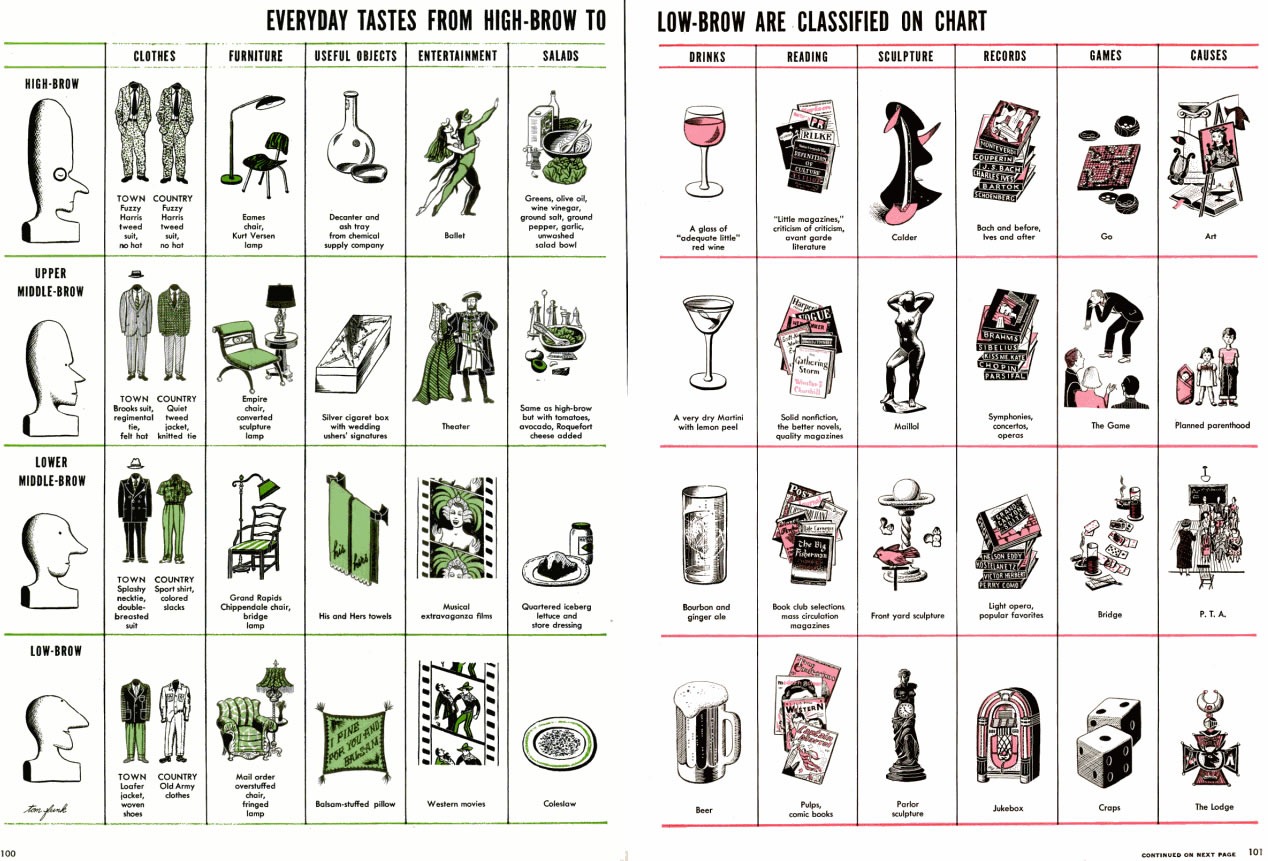
Anyway, on that same trip, since we had at least a week of free time in London, I went to a bunch of movies including my first Beat Takeshi film: Sonatine. Weird, funny, arty, lyrical movie about yakuza that merges highbrow and lowbrow. It has this memorable face-off between Takeshi and his at the time mistress Aya Kokumai:
If you haven't seen a Takeshi movie, run to your Netflix queue or whatever. After I returned to New York I went to Kim's Video and rented his first film Violent Cop. Takeshi had to take over directing the former when original helmer, maestro Fukasaku Kinji, became ill. It features the most poetically violent scene with a baseball bat ever committed to celluloid. His second feature, Boiling Point is actually called 3-4x October in Japanese (a weird baseball reference), and it is also deliriously wacky and poetic at the same time. My favorite hysteric moment was when the owner of a bar slaps down an 'ikeiki gal' (an now dated Japanese slang word for sort of a party girl). You have to see it, especially in context of the whole crazy movie. Definitely a reflection of Takeshi's crazy TV comedy shows where he would abuse and torment his friends and guests (notice the plastic hammer Beat is brandishing - he usually hits folks on the head with something - and also the momentary audio sample of The Stooges "Raw Power"):
It was a fun time roaming around London, seeking out different cinemas in various neighborhoods. I also caught Walerian Borowczyk's bizzare little arthouse/exploitation film about a monster, a woman and sexual obsession, The Beast. I remember it was in a nice, quaint area, and there weren't too many other folks in the audience that late afternoon. It also reminded me of a short film my friend Bob Nozawa had been in.
And I also managed to catch late 70's punk band The Vibrators in a local pub.
Let us close with this classic query: What do you call a person who hangs out with musicians?
The stream of consciousness continues to flow. The previous post's reminiscence of film flotsam such as Firecracker brought back a flood of video rental memories. For instance, speaking of Firecracker, mention must be made of Raw Force, the zombie martial arts movie made in tandem with the former, also featuring the alluring Kesner in the cast alongside B-movie vet Cameron Mitchell (who might deserve his own post) and a bunch of kung fu no names. This one actually had TV commercials! This brings to mind a film that came out around the same time that never made it on video here and remains shrouded in obscurity, despite its incredible title: Karate Killers on Wheels. This was in New York area theaters circa 1980 or 82 and Joe Bob Briggs raved about it. Still, no one else seems to remember it and it doesn't seem easy to find. From what I've sussed out it's a violent biker~martial arts movie made in 1976 by none other than Shaw Brothers, also released as simply Killers on Wheels. The only sign of any video ever being available seems to be in German (sans subs). The Chinese title is "Wu Fa Wu Tian" which means something along the lines of "Totally Unlawful." Celestial Pictures, who now own the Shaw library, have it listed on their website. Wouldn't it be nice if some DVD distributor picks it up? Apparently it features actress Liu Hui Ru, who played 'Princess Dragon Mom' in the incredible Inframan. Back when Sneak Previews was still on channel 13 (public television) and Siskel and Ebert made snarky comments at each other, they did a great 'guilty pleasures' episode on which they featured Van Peebles seminal blaxploitation outcrySweet Sweetback's Baadasssss Song and the Shaw Brothers cash-in on Ultraman, featuring Bruce Lee imitator Bruce Li (Ho Chung Dao) as the titular Inframan. Anyway, the advent of home video in the 80's was the first death knell for grindhouse exploitation pictures. A ripe catalog of juicy taboo-defying genre films made there way into homes. I remember looking at an early video catalog that featured provocative titles such as The 7 Brothers Meet Draculaand The Torture Chamber of Dr. Sadism. The avatars of distribution included major and indie labels, both mirroring the sleazy marketing tactics of exploitation days of yore. Paragon Video remains endearingly carved in the memory for their copious and diverse low-budget fare, big boxes and close to 15 minutes of lurid trailers on every tape. Titles included the gloriously shameless One Armed Executioner, about an Interpol agent on a Death Wish styled mission of vengeance; Lucio Fulci's gratuitously gory The Gates of Hell; Weird run-of-the-mill b-movie fare like Hotwire, a southern fried potboiler about car thieves. Check out this incredible online gallery of vintage VHS box art.
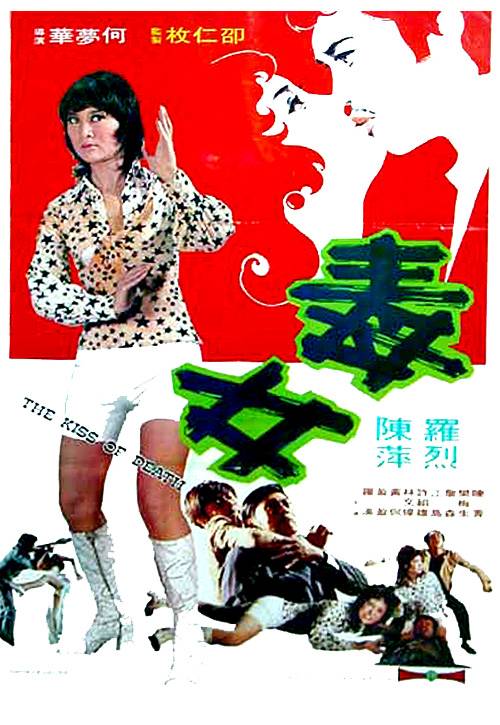
At the beginning of the millennium Celestial Pictures acquired the Shaw Brothers film library, or at least a good chunk of it, including lots of classic kung fu, wu xia, and other cool genre stuff. There has since been revival series and foreign region DVD releases as well as Shaw Brothers documentaries on cable TV. In the past few years various titles have been licensed to Dragon Dynasty, Image Entertainment and Media Blasters, allowing a slew of Shaw Brothers titles to pepper the DVD shelves. Image recently released Kiss of Death, a tawdry exploitation film, offering a curious counter to all the standard martial arts fare. Granted this one has martial arts too, but that's not really the focal point of this gruesome venture.
SPOILERS AHEAD - though in this kind of film you pretty much know what's going to happen before it starts...
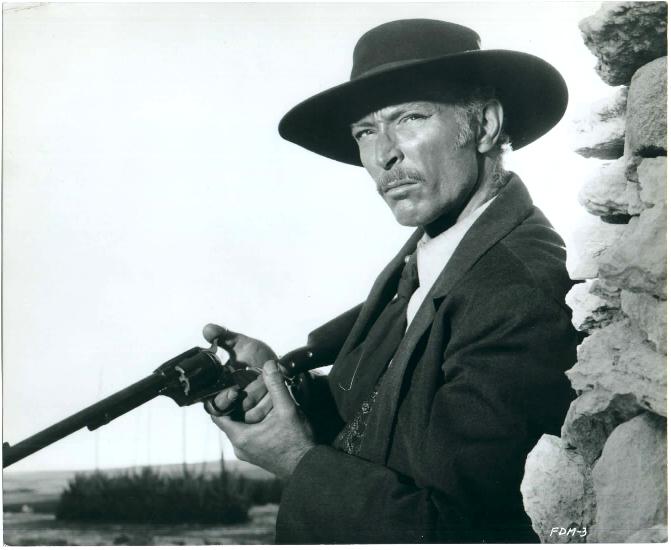
Kiss of Death is a rape-revenge movie. Ling is a young, attractive and pure factory worker. On her way home from work she is brutally violated by 5 slothering low-life criminals. She makes her way home to the silhouettes of her guardians (not sure if they're her actual parents or aunt and uncle). We only see their shadow through a paper screen as they admonish her for coming home late and say she should work as a bar girl to make more money. Poor traumatized and stigmatized Ling has no one to turn to. The original Chinese title is Du Nu, or "Poison Woman" and it's a double entendre. Soon Ling discovers she's contracted Vietnam Rose, a notorious strain of syphilis (apparently it's also the name of a Phillipino soap opera). For the rest of the movie she suffers occasional attacks of the disease, feeling pain down there and treating it by popping some mysterious pills. It's very random and nonsensical, only adding to the gleefully sleazy exploitative thrills. Without giving the whole thing away (wait, what's there to give away?) Ling ends up working as a bar hostess (just as her uncaring caregivers suggested) in order to seek out her attackers and extract revenge. The gimp but badass bar owner, played by Kung Fu movie stalwart Lo Lieh, becomes her martial arts mentor. The training scenes are pretty entertaining because at first he shows little of that "I don't hit women" attitude, simply knocking her down until she's fierce enough to counter his attacks. Kiss of Death glides along by the numbers at a typically fervent but deliberate Shaw pace. The melodramatic tones are amped-up : lurid colors shrouded in shadows, super-groovy canned music, and last but not least overwrought emotions Chinese style. The villains, plucked from central casting (meaning Hong Kong alleyways), are hopelessly sleazy and evil, chewing up the scenery. There's a great psychedelic club scene where the baddies drug a couple of young co-eds and frame them into being sex workers, while our heroine infiltrates the party on her mission of vengeance. Completely ridiculous and devoid of any metaphorical value, Kiss of Death simultaneously delivers on its promise of (unintentional) high camp and disturbing gritty action. Kiss is not as imaginative as some of those pinky violence films, but in some ways it's actually better than the legendary They Call Her One Eyebecause that Swedish exploiter is a little too far fetched. It doesn't make sense that the titular One-Eye, played by lovely Lolita Christina Lindberg, is supposed to be an enslaved prostitute, yet is allowed free time (and salary) to go out and hire men to train her in guns and martial arts to wreak vengeance. It dilutes the tension big time. The fascinating thing about They Call Her One Eye though, is that the director, like H.G. Lewis and Dave Friedman did with the gore film, deliberately set out to cash in on a low-budget, taboo-breaking twisted twist on a fairy-tale. And it worked. Seen in its original 42nd street grindhouse context, the impact must've been ten fold more shocking and entertaining. As for Kiss of Death, its tawdriness is di riguer for Hong Kong cinema, particularly at that time. Now I have to get my hands on a DVD of Sexy Killer, the sleazy Hong Kong remake of the Jack Hill helmed Pam Grier vehicle, Coffy. Chen Ping, star of both Kiss of Death and Sexy Killer, boasts a filmography chock full of genre and exploitation titles, from the kung fu spaghetti western The Stranger and the Gunfighter(starring Lee Van Cleef and Lo Lieh) to The Mighty Peking Man.
Vengeance is a primal instinct as well as a philosophically rich source of visceral drama. Revenge works in so many varied milieus, from kung fu and spaghetti westerns to corporate espionage and so on. Part of what makes revenge so fascinating is that it is ultimately futile; a vicious circle that may lead to catharsis, but does not necessarily bring about redemption or justice. Nevertheless, retribution fuels countless thrills throughout cinema. Below is the start of a list of various revenge movies. Think of this as a potential syllabus for a class on revenge cinema or maybe worthy of discussion in a book. Please suggest some of your favorite revenge movies.
Rolling Thunder (1977): This tough film slowly boils over in outrage towards suffering, injustice and the American establishment in the Vietnam era. William Devane plays Major Rane, a returned POW who is honored as a hero by his hometown. However, soon after his homecoming Rane faces horrific tragedy in the face of a gang of greedy lowlifes. Paul Schrader's hardboiled script and John Flyn's taut direction translate angst and anomie into visceral mayhem. Tis a pity there's not an official U.S. DVD available.
Massacre at Central High (1976): This very strange low budget exploitation exercise concerns the dire consequences of bullying in high school. The universe of the film is self contained and detached; adults are never seen for the most part, while the cast appear to be more in their early 20's then actual teenagers. This isolation adds a stirring sense of claustrophobia. The whole production is off kilter and stilted in a way that makes it effectively disturbing. Director Renee Daalder was a protege of Russ Meyer and through Meyer came to work with The Sex Pistols. Daalder designed the "My Way" sequence of The Great Rock And Roll Swindle. Massacre At Central High is definitely a punk rock movie, if not musically both in spirit and aesthetic.
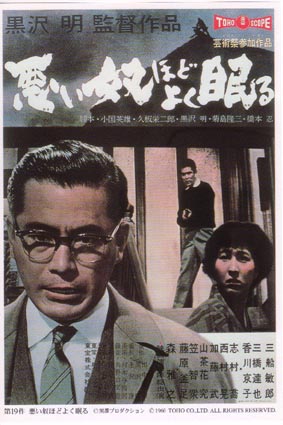
The Bad Sleep Well(1960) is Akira Kurosawa's take on Hamlet. Set in contemporary Japan with a backdrop of corporate intrigue, the story of a man's climb up the executive ladder unravels a quest for retribution. The links to Hamlet would seem to be patricide, conspiracy, introspection and doom. Kurosawa's always complex construction incorporates some heady social commentary. Apparently some inspiration came from headlines contemporaneous with the production. Kurosawa hits an intensely stirring, bleak tone. Mifune is excellent as always in the vengeance seeking Hamlet role. Kurosawa's sensitivity to human feelings raises complex moral issues. By weaving a tale that transcends the usual physical modes of revenge Kurosawa also defies expectations. The result is a philosophically provocative and cinematically striking thriller.
Do you think director Enzo G. Castellari saw the above Kurosawa film before he made the cheekily inspired spaghetti western Johnny Hamlet (1968)? Apparently it was Sergio Corbucci's idea but he was to busy to realize it into fruition. Therefore Corbucci bequeathed the project onto Castellari. Johnny comes home after fighting in the civil war to find that his father was murdered and his mother married his Uncle Claudio. This is an exploitation film so it is very much about the physical modes of revenge. But so much of the source material is intact, including Hamlet's tortured soul, and, if I remember correctly, he does get visited by his father's ghost. There's an added Gothic tone to the production, wild colors and the like, plus some rowdy fist fights thrown in for macho good measure. The trailer is pretty psychedelic.
Probably the most influential spaghetti western with a revenge plot-line is the Leone masterpiece Once Upon a Time in the West (1968). Haunting theme music enforces the mythical mystique of Charles Bronson's vengeance seeking loner known as 'Harmonica.' And of course Bronson went on to become the icon of revenge for his star turn in the Death Wish films. He publicly denounced the vigilantism of his Death Wish character in the wake of the Bernhard Goetz incident. Death wish director Michael Winner had worked with Bronson 2 years earlier on the revenge tinged action film The Mechanic (1972). The laconic hitman Bronson plays helped seal his on-screen persona of a no-nonsense anti-heroic badass. So the question arises: What is the most identifiable face of revenge floating in our collective consciousness? From the Bronson perspective it would seem to be someone at piece with themselves; someone who understands the meaning of restraint. But circumstances beyond their control exhaust that restraint. In the Mechanic the concept of vengeance is played out more existentially. For Bronson and Jan Michael Vincent's character revenge becomes a game of cat and mouse that defines their lives. Winning the game somehow supersedes the moral and emotional impetus de riguer for the path of vindication.
Perhaps one of the most iconic and beautiful faces of vengeance belongs to the strikingly stoic visage of Kaji Meiko. After establishing herself as an action star in films like Wandering Ginza Butterflyand Nikkatsu's juvenile delinquent Stray Cat Rockseries, Ms. Kaji starred in several influential revenge films during the 70's. Lady Snowblood (1973) is an ultra-violent samurai action tale based on an even more violent manga (and was the template for Kill Bill). Perhaps even more impressive (and also based on a manga - Japan has really cultivated comic book ultra-violence) is the Female Convict Scorpion series. These breakthrough women in prison films follow the blood-soaked path of Nami, a woman wronged by the evil and greed of others. They feature some of the wildest, over the top set pieces ever.
There appears to be exponential irony rampant within the current crop of neo- exploitation films (post-deuce). This is no more evident than in a few recent self-referentially tongue in cheek pre-fab cult films from Asia.
Machine Girlgrabbed a lot of attention when its trailer hit Youtube. Did director Noboru Iguchi willfully rip off Rodriguez' potluck pastiche offered up in the Planet Terror half of Grindhouse? Or perhaps the deadly disfigured badass hottie with a gun fever dream has been floating in the ether since the days when They Call Her One Eyeenjoyed extended runs in Times Square? This looks like an homage cum send-up of everything from Sukeban Dekato Master of the Flying Guillotine and a barrel of mindless monkey fun at that. Tokyo Shock is releasing the DVD in June. Too bad these sort of films don't get wide theatrical releases anymore. I still have fond memories of seeing a midnight show of Demons.
The team behind Machine Girl already have a new gross-out action epic, Tokyo Gore Police. It's directed by Yoshihiro Nishimura, the effects man from MachineGirl , and stars Eihi Shiina, the sexy sadist from Audition.
Sex as a mantle for ultra-violence can get exhaustive so it's a breath of fresh air to hear about a new neo-spaghetti western by way of Korea. Kim Ji Woon, the director of the excellent modern noir/Hong Kong action homage A Bittersweet Life, the creepy artsy horror Tale of Two Sisters and the wacky cult wrestling comedy The Foul King is behind this one: The Good, The Bad and The Weird!
It takes place in 1930's Manchuria and involves bandits, militants, and a treasure map. Heartthrob Lee Byung Hun from A Bittersweet Lifeplays the good, Jung Woo Sung from Musaplays the bad, and that funny pudgy underdog from The Host Song Kang Ho plays the weird.
Anthony Steffen stars in this third rate spaghetti western from 1967, unearthed from Wild East Productions. Of course third rate in an exploitation film is not necessarily a bad thing. On the contrary this entry in the 60's Euro-Western boom is extra gritty and mean-spirited. It's derivative in a way that satisfies those genre trope obsessions: lots of action, sleazy moments, amorality and fetishization of the genre itself that are easily and happilly recognizable. This is perhaps most evident in the appropriately rustic production design. The look of the Mexican bandits is particularly effective here, even if the melodramatic elements are played up to a screaming pitch, with all the baddies chewing scenery as they wreak havoc with sinister laughter worthy of Ming the Merciless (or at least as evil as Dr. Klahn from A Fistful of Yen). Eduardo Fajardo stands out as the stereotypically villainous Mexican, Colonel Ferreres. Ferreres gets a great kick out of chiding one of his henchmen, calling him 'muchachita.' Later said henchmen retorts back calling Ferreres Colonel de mierda. The plot is a throwaway: Dastardly Mexican 'soldiers' are dominating a small border town. They are after a shipment of gold or some such treasure. A mysterious gambler, who also happens to be a gentleman, comes to town and messes up their plans. Here's the key point that makes the film thrid rate: the hero is completely bad ass and on the side of the law AND sympathetic to the victims of cruelty. The great conceit of Leone's protagonists was that they were anti-heroes who seemed to care less about feelings. The so called man with no name as well as Mortimer, maintained a super cool-demeanor and were more interested in personal gain or revenge than simply human interest. A superman, one-dimensional do-gooder, such as Gentleman Killer renders the action more comic book-like. Nevertheless it's an enjoyable ride. There are moments reminiscent of the great Django- GK helps and is rescued by a prostitute, he swings around balconies and so forth, and in the third act he is the victim of some crippling torture from the baddies. Alex Cox spoke to me about the whole traumatized prostitute/hero angle, which is straight out of Django. But while in Django the hero is practically maimed, here they borrow a plot device from another great spaghetti, Requiescant: he gets blind drunk. The Mexicans force feed him 2 1/2 bottles of booze in about 30 seconds time. Still, this doesn't prevent him from escaping in an almost acrobatic fashion. I did like the way the film ended, which was a fun twist on a cliche.
Shogun Assassin (AnimEigo) In 1980 a couple of enterprising American filmmakers purchased rights to the first two films of the excessively violent Lone Wolf and Cub samurai series—a chronicle of a shogun’s executioner who, framed by his megalomaniacal boss, is on the run with his infant son in a baby cart equipped with secret weapons. The filmmakers, David Weisman (director of the Edie Sedgwick vehicle Ciao Manhattan) and Robert Houston, edited together all the super-violent parts (dismemberments, decapitations, naked female ninja, etc.), rewrote the script around their new edit, and brought in a then unknown Sandra Bernhard to dub all the female parts (for a flat $200 fee), plus Mark Lindsay from Paul Revere and the Raiders to provide the soundtrack. The poster and logo designer’s son did a voiceover as the kid, adding narration to hold together the patchwork story. The result, Shogun Assassin, was a big cult hit for Roger Corman’s New World and is an ultimate example of violent, mind-bending movie-making, a postmodern artifact that foretold the future of exploitation and world cinema...