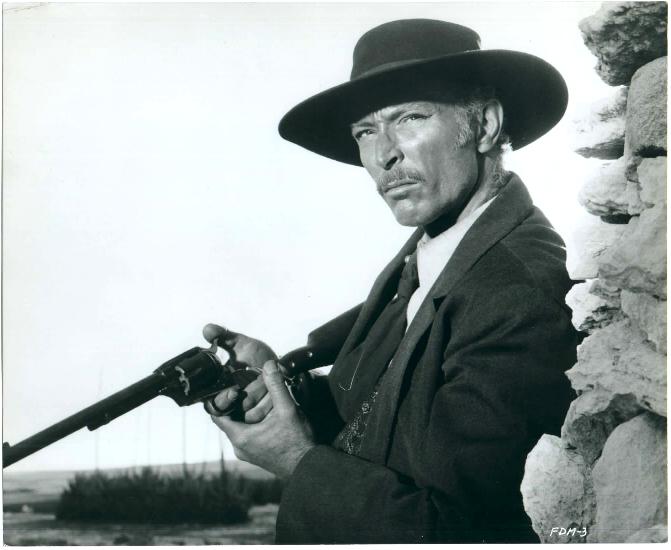
Rolling Thunder (1977): This tough film slowly boils over in outrage towards
 suffering, injustice and the American establishment in the Vietnam era. William Devane plays Major Rane, a returned POW who is honored as a hero by his hometown. However, soon after his homecoming Rane faces horrific tragedy in the face of a gang of greedy lowlifes. Paul Schrader's hardboiled script and John Flyn's taut direction translate angst and anomie into visceral mayhem. Tis a pity there's not an official U.S. DVD available.
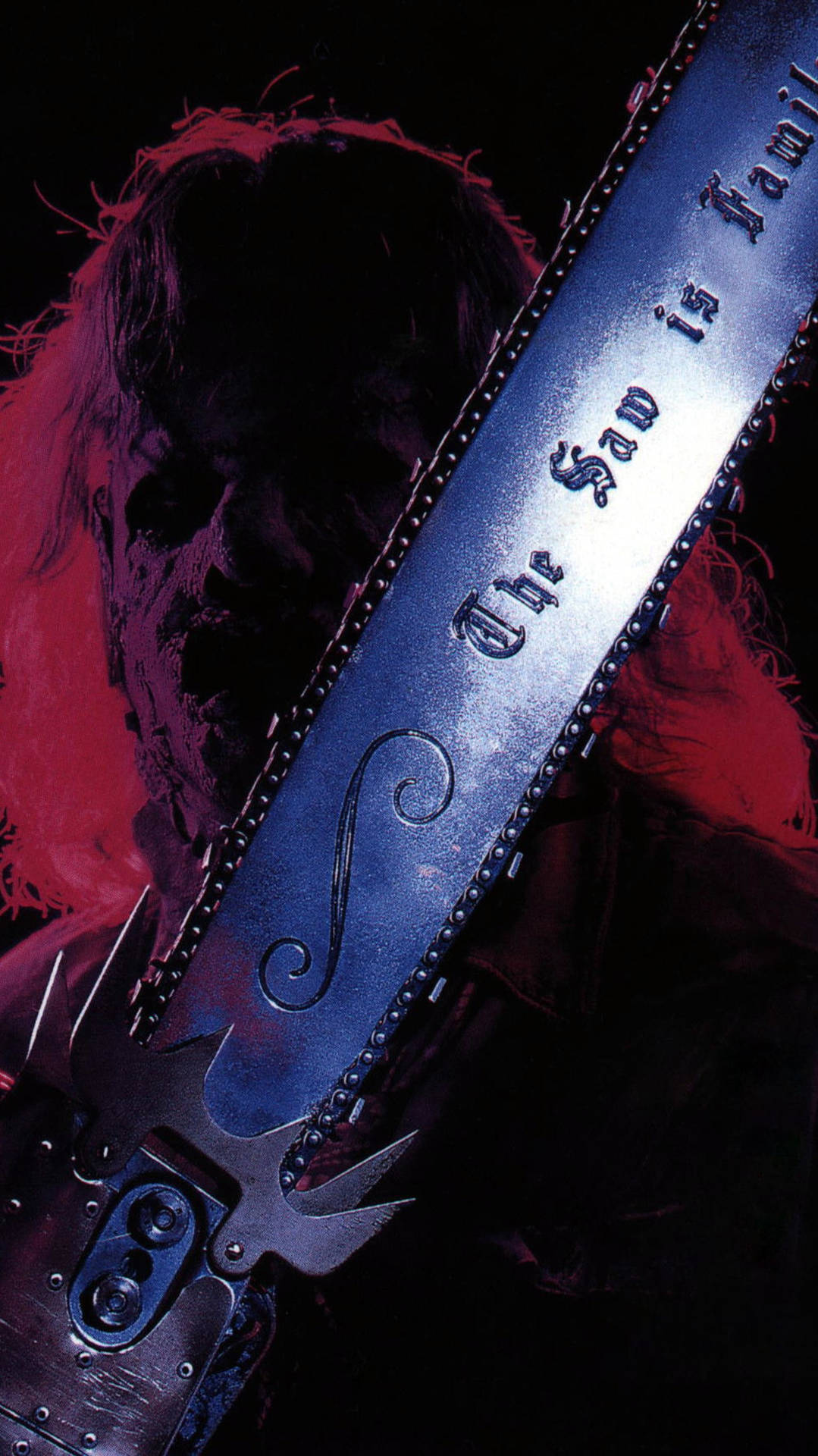 Massacre at Central High (1976): This very strange low budget exploitation exercise concerns the dire consequences of bullying in high school. The universe of the film is self contained and detached; adults are never seen for the most part, while the cast appear to be more in their early 20's then actual teenagers. This isolation adds a stirring sense of claustrophobia. The whole production is off kilter and stilted in a way that makes it effectively disturbing. Director Renee Daalder was a protege of Russ Meyer and through Meyer came to work with The Sex Pistols. Daalder designed the "My Way" sequence of The Great Rock And Roll Swindle. Massacre At Central High is definitely a punk rock movie, if not musically both in spirit and aesthetic.
The Bad Sleep Well (1960) is Akira Kurosawa's take on Hamlet. Set in contemporary Japan
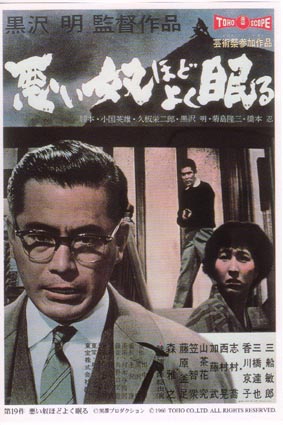 with a backdrop of corporate intrigue, the story of a man's climb up the executive ladder unravels a quest for retribution. The links to Hamlet would seem to be patricide, conspiracy, introspection and doom. Kurosawa's always complex construction incorporates some heady social commentary. Apparently some inspiration came from headlines contemporaneous with the production. Kurosawa hits an intensely stirring, bleak tone. Mifune is excellent as always in the vengeance seeking Hamlet role. Kurosawa's sensitivity to human feelings raises complex moral issues. By weaving a tale that transcends the usual physical modes of revenge Kurosawa also defies expectations. The result is a philosophically provocative and cinematically striking thriller.
 Do you think director Enzo G. Castellari saw the above Kurosawa film before he made the cheekily inspired spaghetti western Johnny Hamlet (1968)? Apparently it was Sergio Corbucci's idea but he was to busy to realize it into fruition. Therefore Corbucci bequeathed the project onto Castellari. Johnny comes home after fighting in the civil war to find that his father was murdered and his mother married his Uncle Claudio. This is an exploitation film so it is very much about the physical modes of revenge. But so much of the source material is intact, including Hamlet's tortured soul, and, if I remember correctly, he does get visited by his father's ghost. There's an added Gothic tone to the production, wild colors and the like, plus some rowdy fist fights thrown in for macho good measure. The trailer is pretty psychedelic.
 Probably the most influential spaghetti western with a revenge plot-line is the Leone masterpiece Once Upon a Time in the West (1968). Haunting theme music enforces the mythical mystique of Charles Bronson's vengeance seeking loner known as 'Harmonica.' And of course Bronson went on to become the icon of revenge for his star turn in the Death Wish films. He publicly denounced the vigilantism of his Death Wish character in the wake of the Bernhard Goetz incident. Death wish director Michael Winner had worked with Bronson 2 years earlier on the revenge tinged action film The Mechanic (1972). The laconic hitman Bronson plays helped seal his on-screen persona of a no-nonsense anti-heroic badass. So the question arises: What is the most identifiable face of revenge floating in our collective consciousness? From the Bronson perspective it would seem to be someone at piece with themselves; someone who understands the meaning of restraint. But circumstances beyond their control exhaust that restraint. In the Mechanic the concept of vengeance is played out more existentially. For Bronson and Jan Michael Vincent's character revenge becomes a game of cat and mouse that defines their lives. Winning the game somehow supersedes the moral and emotional impetus de riguer for the path of vindication.
 Perhaps one of the most iconic and beautiful faces of vengeance belongs to the strikingly stoic visage of Kaji Meiko. After establishing herself as an action star in films like Wandering Ginza Butterfly and Nikkatsu's juvenile delinquent Stray Cat Rock series, Ms. Kaji starred in several influential revenge films during the 70's. Lady Snowblood (1973) is an ultra-violent samurai action tale based on an even more violent manga (and was the template for Kill Bill). Perhaps even more impressive (and also based on a manga - Japan has really cultivated comic book ultra-violence) is the Female Convict Scorpion series. These breakthrough women in prison films follow the blood-soaked path of Nami, a woman wronged by the evil and greed of others. They feature some of the wildest, over the top set pieces ever.
Many more coming soon...